
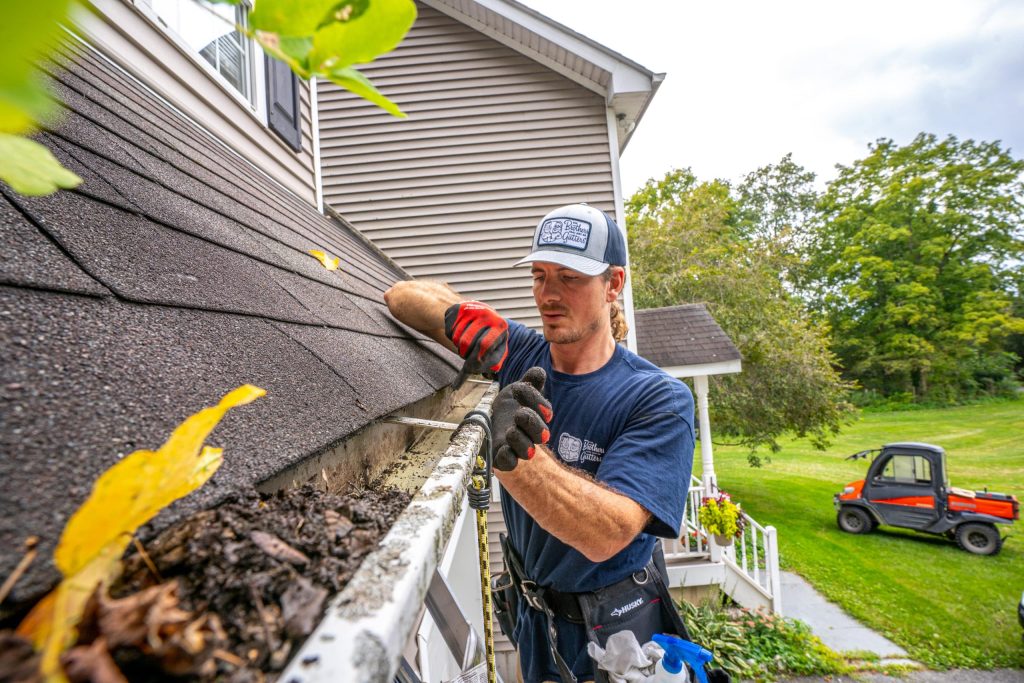
Your home’s gutters have an important job. They collect rainwater from the roof and guide it through downspouts toward suitable drainage areas. When leaves, twigs, seeds, and other debris accumulate inside the system, water flow becomes restricted. Regular maintenance helps keep gutters functioning properly and reduces the risk of water-related problems around your property.
For homeowners considering gutter cleaning in Bettendorf, IA, understanding when and why maintenance is needed helps protect the entire drainage system. Bettendorf experiences seasonal weather changes that bring heavy rainfall, falling leaves, snow, and freezing temperatures. Keeping gutters clear throughout these conditions supports effective water movement and helps prevent avoidable damage.
What Happens When Gutters Become Clogged?
A clogged gutter does not drain rainwater efficiently. Instead, water backs up inside the channel and eventually spills over the edges. This overflow often lands close to exterior walls and the foundation.
Excess moisture near the foundation contributes to soil erosion and creates conditions that encourage water to collect against the structure. Overflow also affects landscaping and walkways by washing away soil or creating persistent wet areas.
Heavy debris also adds weight to the gutter system. Wet leaves become particularly dense, placing additional stress on hangers, fasteners, and fascia boards. Over time, this stress contributes to sagging or separation.
Signs Your Gutters Need Cleaning
You do not always need to wait for visible overflow before scheduling maintenance. Several warning signs indicate that debris is interfering with normal gutter performance.
Watch for:
- Water spilling over the gutter edges during rainfall
- Leaves and debris visibly packed inside the channels
- Plants growing from accumulated organic material
- Sagging gutter sections
- Water collecting beneath downspouts
- Staining on exterior walls below the gutters
- Gutters pulling away from the roofline
If you notice several of these problems, inspect the entire system rather than cleaning only the most visibly clogged section.
How Often Should You Clean Gutters in Bettendorf?
Timing depends on the amount of vegetation surrounding your home and the condition of the gutter system. As a baseline, gutters should generally be cleaned twice a year. Properties surrounded by mature trees generally require more frequent attention than homes with limited tree coverage.
Fall is particularly important because leaves and small branches accumulate quickly. A cleaning after substantial leaf drop helps prepare the system for winter. Spring maintenance also removes debris that entered the gutters during winter and early spring storms.
Additional inspections after severe weather provide another opportunity to identify blockages, loose sections, or damaged components before they affect drainage.
Why Professional Gutter Cleaning Can Be Safer
Cleaning gutters often requires ladder work and access near the roof edge. Reaching elevated gutter sections while handling wet leaves, tools, and debris can create unnecessary fall risks for homeowners.
Professional gutter cleaning allows trained technicians to access the system with appropriate equipment and work around roof-edge conditions more safely. It also provides an opportunity to identify problems with the gutters, fascia, soffit, or gutter apron while the system is being cleaned.
Why Downspout Cleaning Matters
Cleaning the gutter channel is only part of proper maintenance. Downspouts also need to remain clear because they provide the primary path for water to leave the gutter system.
A blocked downspout causes water to remain inside the gutter even when the upper channel is relatively clean. During heavy rainfall, restricted downspouts increase the likelihood of overflow.
Check that water exits freely from the bottom of each downspout. Downspout extensions and splash blocks should also direct discharge away from the foundation and toward an appropriate drainage area.
Why Winter Gutter Preparation Matters
Winter preparation is another reason to clear gutters before the first freeze. Debris left inside the system can restrict drainage as temperatures fall and water freezes.
Blocked or poorly draining gutters and downspouts can contribute to ice buildup and ice dams along the roof edge. Frozen downspouts can also prevent meltwater from leaving the gutter system, increasing the risk of overflow and moisture-related problems.
Cleaning gutters after substantial fall leaf drop and before freezing conditions become established helps keep water moving when winter weather arrives.
Gutter Maintenance After Cleaning
Regular inspections help extend the effectiveness of each cleaning. Remove visible debris before it becomes compacted and difficult to clear. Check gutter hangers and fasteners for signs of movement or separation.
Inspect seams, end caps, and the gutter apron for leaks or signs of deterioration. Check the fascia and soffit for moisture-related damage. Look at the area around downspout extensions and splash blocks for erosion or standing water. If water repeatedly collects in one location, investigate the property’s grading and drainage rather than relying solely on gutter cleaning.
Gutter guards can reduce the amount of larger debris entering the system, but they can still need periodic inspection when smaller organic material or buildup accumulates.
Protect Your Home’s Drainage System
Clean gutters support proper roof drainage and help direct water away from vulnerable areas around your home. Routine maintenance is especially important when seasonal debris and severe weather place additional demands on the system.
If your gutters overflow, sag, leak, or contain substantial debris, schedule a professional inspection and cleaning. For homeowners seeking gutter cleaning in Bettendorf, IA, timely maintenance provides a practical way to keep rainwater moving properly and reduce preventable drainage concerns.


