
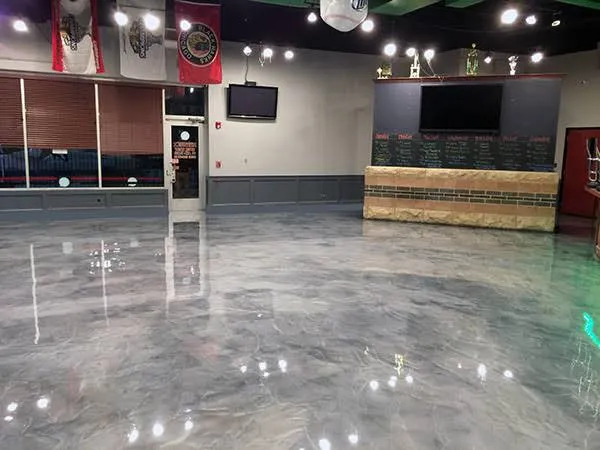
Renovating an older commercial property often begins with visible improvements such as fresh paint, updated lighting, and modern fixtures. However, the concrete beneath existing flooring can introduce unexpected complications. Previous renovations, adhesive residues, moisture, and uneven surfaces may affect which finishes are suitable. Property owners exploring epoxy flooring charleston sc options should investigate these conditions before finalizing renovation plans. A careful assessment can reveal potential problems early, helping businesses establish realistic budgets and select flooring systems that suit the building’s actual condition and intended use.
Older Buildings Carry Hidden Flooring Histories
A commercial building may have undergone several flooring changes throughout its lifetime. Carpet, vinyl, tile, and various sealers can leave behind materials that are difficult to identify without removing existing coverings. Some concrete surfaces may also contain patches from earlier repairs or alterations. These differences affect how a new finish bonds to the slab. Before specifying materials, review available renovation records and inspect representative areas. Understanding the floor’s history helps contractors determine whether additional removal, repairs, or preparation will be necessary.
Moisture Problems Require Careful Investigation
Charleston’s coastal environment makes moisture an important consideration, particularly for ground-level concrete slabs. However, humidity alone does not explain every flooring problem. Water may enter through drainage defects, plumbing leaks, or moisture transmission within the slab. Dark patches, damaged adhesives, and recurring dampness deserve investigation before coating begins. Appropriate testing helps determine whether the concrete meets the selected system’s requirements. Applying a decorative finish without understanding existing moisture conditions can lead to adhesion problems and expensive repairs after the renovated space reopens.
Previous Repairs Can Affect Results
Older concrete frequently contains filled cracks, patched sections, or areas where equipment was previously installed. These repairs may have different textures and absorption characteristics from the surrounding slab. Some materials require removal or additional preparation before a compatible coating can be applied. Property owners should also distinguish cosmetic defects from cracks showing ongoing structural movement. A flooring contractor can address many surface imperfections, but significant structural concerns require appropriate specialist assessment. Identifying these differences prevents decorative renovation work from concealing problems needing separate attention.
Commercial Activities Determine Flooring Requirements
A former storage room converted into a retail space may need very different flooring characteristics. Foot traffic, furniture movement, cleaning chemicals, and moisture exposure should influence material selection. Experienced flooring contractors charleston sc can evaluate these requirements alongside the existing concrete. Decorative flake, solid-color, and metallic epoxy systems offer different visual possibilities, while suitable topcoats provide additional surface protection. Choosing a finish based on future activities rather than the building’s previous use helps create a more practical renovation.
Surface Preparation Shapes Installation Success
Even premium coating materials can perform poorly when applied over unsuitable concrete. Dirt, residual adhesives, deteriorating sealers, and weak surface layers may prevent effective bonding. Mechanical diamond grinding helps remove unwanted material and establish an appropriate surface profile. Cracks and divots should be assessed and repaired where necessary. Some older flooring materials may contain hazardous substances, including asbestos, requiring professional testing before disturbance. Proper preparation is therefore not merely a cosmetic step; it is fundamental to achieving a stable and dependable finished surface.
Renovation Schedules Need Flexible Planning
Unexpected discoveries beneath existing flooring can affect construction schedules, especially when multiple contractors share the same workspace. Electrical installations, painting, equipment placement, and flooring application must be coordinated to avoid unnecessary delays. Protective coatings also require specific curing periods before heavy furniture or normal traffic can return. Property managers should include contingency time for substrate repairs and clarify access requirements beforehand. A realistic schedule reduces the temptation to rush preparation or reopen the premises before the selected flooring system has achieved suitable service conditions.
Long-Term Maintenance Starts Early
Renovation planning should extend beyond the day the building reopens. Different commercial environments require cleaning procedures suited to their flooring systems and daily activities. Abrasive dirt, improper detergents, and neglected spills can gradually affect protective finishes. Managers should request maintenance instructions and establish an inspection routine for busy entrances, service areas, and frequently moved furniture. Keeping installation records can also simplify future repairs or improvements. Considering these responsibilities during material selection helps avoid surfaces that appear attractive initially but become inconvenient to maintain.
Conclusion
Older commercial buildings can offer character and practical value, but successful renovations depend on understanding the surfaces hidden beneath previous improvements. Investigating concrete conditions before selecting finishes can prevent unnecessary expenses and make future maintenance easier. Property owners planning renovations in Charleston can explore available installation services and discuss project requirements through carolinaflooringspecialists.com. One worthwhile step is to include a detailed floor assessment in the earliest renovation discussions. Discovering what a building needs before construction begins is often more valuable than correcting avoidable mistakes afterward.
