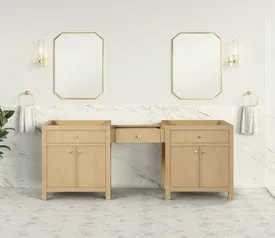
Bathroom design decisions often begin with inspiration photographs, color palettes, and measurements. However, translating those ideas into a finished space requires a realistic understanding of proportions, materials, and how different elements work together. Visiting a Bathroom Vanities Showroom allows homeowners to explore these relationships through physical displays rather than relying exclusively on digital representations. The experience can reveal subtle design differences, improve spatial awareness, and help buyers visualize how cabinetry and countertop combinations might appear within their own bathrooms.
Moving Beyond Digital Design Inspiration
Online images are useful for identifying design preferences, but photography can alter perceptions of scale, texture, and color. Wide-angle images may make compact bathrooms appear spacious, while carefully controlled lighting can emphasize finishes differently from ordinary residential conditions.
Physical displays provide a more realistic reference. Homeowners can observe cabinet proportions, material transitions, and decorative details from different viewpoints. This direct comparison helps distinguish ideas that work well in photographs from designs that may suit an actual bathroom.
Understanding Visual Proportions in Person
Vanity dimensions influence more than installation compatibility. Cabinet height, countertop thickness, door-panel proportions, and leg design affect how substantial or lightweight a vanity appears within a room.
A floating cabinet may create an open visual effect because more flooring remains visible beneath it. A freestanding model can establish a stronger furniture-inspired presence. Comparing these arrangements in person helps homeowners understand their aesthetic differences before selecting a particular style.
Studying Material Combinations and Texture
Bathroom interiors often combine smooth countertops, textured cabinet surfaces, metallic hardware, and patterned flooring. These materials can appear attractive individually but may compete visually when placed together without careful consideration.
Showroom displays make it easier to observe how finishes interact. Matte cabinet surfaces can contrast with polished countertops, while natural wood patterns introduce warmth alongside neutral tiles. Comparing actual samples supports more cohesive design choices than selecting every component independently.
Design Details Worth Observing
A thoughtful showroom evaluation can focus on several visual elements:
-
Color undertones: Differences between warm, cool, and neutral cabinet finishes.
-
Surface texture: How painted, wood-grain, and stone finishes interact.
-
Hardware proportions: Whether handles complement the size of drawers and doors.
-
Countertop edges: The visual effect of different thicknesses and profiles.
-
Cabinet profiles: How decorative panels influence traditional or contemporary styling.
-
Fixture coordination: Whether faucets and nearby accessories create a balanced appearance.
These observations help homeowners develop a consistent design direction. Rather than selecting products based on isolated preferences, buyers can evaluate how the elements contribute to the finished room.
Testing Comfort and Everyday Ergonomics
Visual appeal remains important, but showroom displays also provide opportunities to assess physical comfort. Cabinet height influences sink accessibility, while drawer placement affects how easily personal belongings can be reached.
Opening drawers and examining storage positions can reveal practical differences between designs. We should consider the height and needs of regular household users, particularly in shared bathrooms. Actual comfort may vary between individuals, making physical evaluation a useful complement to technical measurements.
Observing Finishes Under Different Lighting
Lighting has a significant influence on how bathroom materials appear. White cabinets can display warm or cool undertones, while darker finishes may look different under bright overhead illumination and softer ambient lighting.
Showrooms offer opportunities to observe samples under available lighting conditions. Although showroom illumination may not match residential fixtures, comparing finishes in person can reveal distinctions that are less apparent online. Homeowners can also bring flooring or wall samples where the retailer permits.
Developing a Cohesive Bathroom Design
A successful bathroom design involves maintaining balance between cabinetry, countertops, mirrors, lighting, and surrounding surfaces. Showroom displays can demonstrate how these elements work together without requiring homeowners to purchase every component from the same collection.
Visual comparisons also help avoid excessive decorative detail. A heavily patterned countertop may work best with understated cabinetry, while a simple surface can complement more decorative door panels. Considering the complete arrangement creates a coordinated appearance.
Documenting Design Preferences for Later Review
A showroom visit becomes more valuable when homeowners record useful observations. Cabinet measurements, finish names, countertop samples, and permitted photographs can provide references for discussions with household members or renovation professionals.
Organizing these details allows buyers to compare preferred combinations after leaving the showroom. It also reduces reliance on memory when evaluating similar designs. Final choices should account for actual bathroom measurements and available product specifications.
Conclusion
Bathroom vanity showrooms help bridge the gap between design inspiration and practical product selection. Physical displays provide insight into proportions, material combinations, color variations, and everyday comfort that digital images cannot always communicate accurately. Atlanta-area retailers such as Renovate for Less offer opportunities to explore bathroom cabinetry and countertop selections in person. Using showroom visits to assess visual relationships and functional details can lead to better coordinated bathroom interiors and more confident renovation choices.