
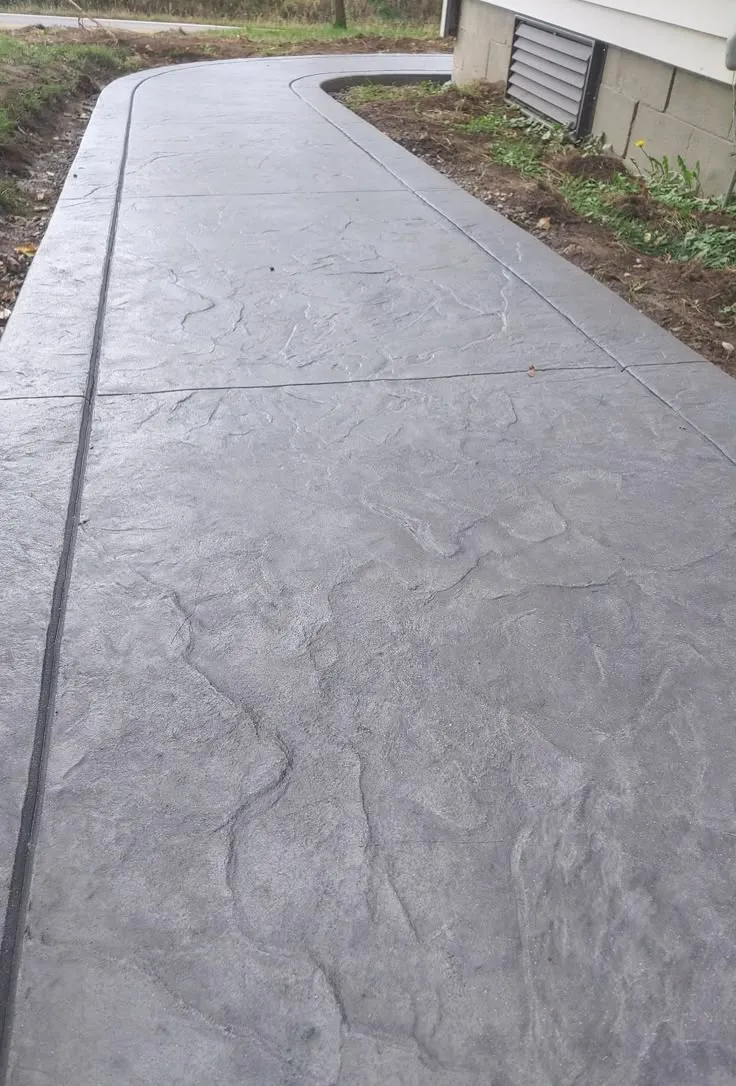
Outdoor concrete surfaces around Arizona homes experience strong sunlight, tracked-in dirt, occasional heavy rain, and repeated vehicle or pedestrian use. A driveway may show tire marks and oil stains, while a patio may develop faded patches or surface wear. Choosing appropriate concrete coatings az services starts with understanding how each area is used and whether the existing slab is suitable for treatment. A decorative finish should complement the property’s appearance without overlooking drainage, traction, or long-term maintenance. Careful planning helps homeowners distinguish surface improvements from repairs that must happen before coating work begins.
Evaluate Each Outdoor Area Separately
Driveways, patios, and walkways have different performance requirements. Vehicles create concentrated loads and turning friction, while pedestrian areas need comfortable traction. Poolside surfaces introduce additional concerns because water and bare feet affect how the finish performs.
Rather than choosing a single material for every outdoor slab, homeowners should map the conditions in each location. Areas exposed to regular sunlight may need different specifications from sheltered walkways or covered patios.
Investigate Concrete Damage Before Coating
Surface wear is not always the same as structural damage. Minor stains or old sealers may be addressed through appropriate preparation, but widespread cracking, settlement, or recurring moisture problems require closer examination.
A contractor should inspect the slab for contamination, weak patches, movement joints, and drainage issues. Coatings cannot permanently stabilize moving concrete or correct underlying soil problems. Identifying these conditions before installation helps prevent unrealistic expectations about the finished surface.
Consider Sunlight and Surface Temperature
Arizona’s sunlight can place demanding conditions on exposed concrete finishes. Ultraviolet resistance matters because certain resin formulations may discolor with prolonged exposure. Surface temperature is also important when selecting application products.
Dialed In Epoxy describes UV-stable polyaspartic coatings among its concrete finishing systems. Property owners should confirm the specific materials recommended for exterior use and ask how they respond to sunlight, temperature changes, and regular cleaning.
Prioritize Traction and Drainage
A visually smooth finish may become slippery when wet, particularly near steps, pool areas, and entryways. Suitable texture depends on the location, footwear, contaminants, and how the surface will be cleaned.
Drainage deserves equal attention. A protective coating does not automatically correct water that collects because of insufficient slope. Contractors should assess existing grades and explain whether separate concrete work is necessary before applying the finish.
Compare Coating Systems With Other Finishes
Homeowners researching epoxy flooring may discover that systems suitable for interior rooms or garages are not always the preferred choice for exposed outdoor concrete. The final specification should account for sunlight, weather, substrate conditions, and intended use.
Different options may include exterior-rated resin coatings, concrete staining, or grind-and-seal treatments. Each offers a different appearance and maintenance profile. Comparing them with actual site conditions is more useful than assuming one finish will work equally well everywhere.
Plan Preparation and Installation Access
Exterior renovation can affect vehicle parking, household entrances, and access to outdoor living areas. Preparation may involve grinding away old coatings, addressing concrete defects, and ensuring the surface is suitable for the selected materials.
Before approving the project, discuss:
-
Existing cracks, patches, sealers, and moisture conditions.
-
Drainage around doors, steps, and landscaped areas.
-
Desired texture and compatibility with outdoor use.
-
Protection for nearby plants, walls, and fixtures.
-
Weather restrictions and required curing intervals.
-
When normal traffic and furniture can return.
A detailed scope makes it easier to understand the work involved and compare quotations.
Maintain Surfaces After Installation
Outdoor finishes collect dust, leaves, dirt, and automotive residue. Cleaning methods should follow the coating manufacturer’s guidance because harsh chemicals, aggressive pressure washing, or abrasive tools may affect certain surfaces.
Inspect frequently used areas for lifting, damage, or unusual wear. Pay attention to transitions near joints and drainage channels. Addressing small problems promptly may reduce the need for more extensive repairs later.
Conclusion
Renovating outdoor concrete involves more than changing its color. Homeowners need to consider slab condition, sunlight exposure, drainage, traction, and the demands of each area before selecting a protective finish. Driveways, walkways, and patios may benefit from different approaches, making a careful site assessment essential. Arizona property owners exploring exterior coating options can review available services through dialedinepoxy.com when planning improvements that complement their homes while respecting local weather, everyday use, and long-term maintenance needs.
