
Solar panels are designed to withstand the elements, but severe weather can still affect the equipment around them. Strong winds, hail, heavy rain, fallen branches and flying debris can damage panels, loosen mounting hardware or disturb electrical connections. Some problems are immediately visible, while others remain hidden and gradually reduce system performance over time.
A post-storm inspection helps homeowners determine whether their solar system is safe, secure and operating as intended. It also allows faults to be identified and documented early, before further weather exposure causes additional damage.
Storm Damage Is Not Always Obvious
A solar system may continue generating electricity even after part of the array has been damaged. Hairline cracks, displaced cables or loosened fittings may not cause an immediate shutdown. From ground level, the panels can appear undamaged while energy production has already begun to decline.
After severe weather, homeowners should review their monitoring data and compare system output with similar clear days. A sudden drop in generation, missing monitoring data or repeated inverter warnings may indicate a problem that requires professional assessment.
Hail Can Damage More Than the Glass
Large hailstones can crack solar panel glass, dent frames or create internal defects that are difficult to detect without a close inspection. Even when a panel appears intact, hail impact can damage individual solar cells and reduce the performance of part of the array.
A professional Solar Panel Inspection in Sunshine Coast can assess the condition of the panel surface, frames and surrounding equipment following a storm. The technician can also review historical generation data to determine whether system performance changed after the weather event.
Homeowners should never climb onto a wet or storm-damaged roof to inspect panels themselves. Roof surfaces may be slippery, unstable or structurally compromised after severe weather.
Strong Winds Can Affect Mounting Hardware
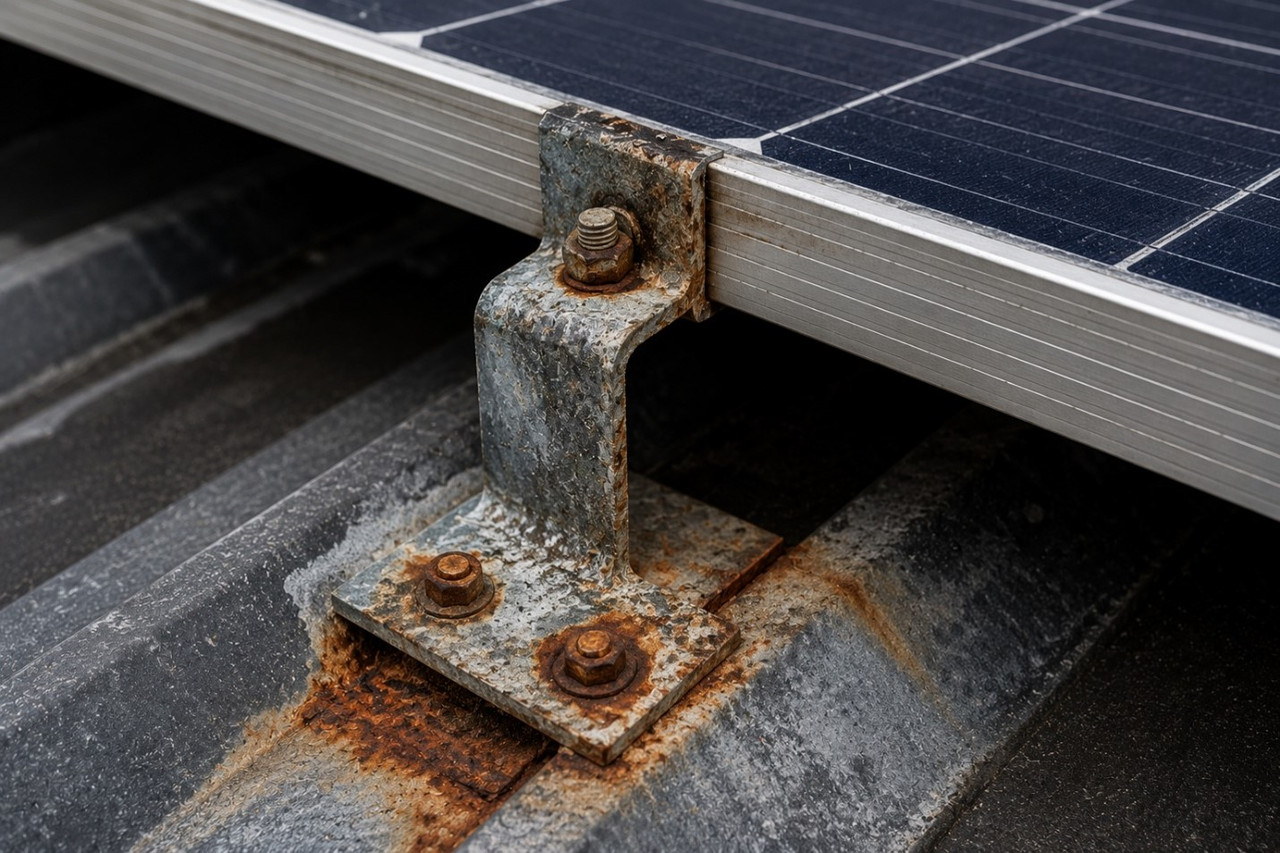
Mounting rails, brackets and fasteners are designed to keep the solar array securely attached to the roof. Strong winds place significant pressure on these components, particularly around panel edges and exposed sections of the roof.
Loose mounting hardware can allow panels to move, create unusual noises or place additional strain on wiring and roof attachment points. A professional inspection should confirm that panels remain correctly positioned, clamps are secure and roof seals around mounting points remain intact. Any movement should be addressed promptly, as repeated exposure to strong winds can worsen the damage over time.
Heavy Rain Can Expose Electrical Weaknesses
Rain alone does not usually damage a well-maintained solar system. However, heavy rainfall can expose deteriorated seals, damaged enclosures or vulnerable cable entry points that allow moisture to enter electrical components.
Signs of water-related issues may include inverter faults after rain, intermittent system operation, unusual smells or visible discolouration around electrical equipment. These warning signs require professional assessment. Homeowners should never open electrical enclosures or attempt to dry internal components themselves.
Debris Can Create Secondary Problems
Branches, leaves and other wind-blown debris can accumulate on or beneath a solar array after a storm. This material may create shading, trap moisture or interfere with roof drainage. A fallen branch may also damage panels, wiring or mounting hardware without causing the entire system to stop operating.
Debris should only be removed when it can be done safely. Rooftop clean-up is best carried out by trained professionals who can inspect the system for hidden damage at the same time.
When Repairs May Be Required
Not every storm-related issue requires a complete system replacement. Individual panels, wiring, isolators, mounting components or an inverter can often be repaired or replaced while the remainder of the system continues operating normally.
Homeowners seeking Solar System Repairs in Brisbane should choose a provider that performs a thorough inspection before recommending any work. The repair report should clearly explain what has been damaged, how it affects system performance and whether the remaining installation is still safe and serviceable.
A repair-first approach helps preserve working equipment and avoids unnecessary replacement following a localised weather event.
What Homeowners Should Record
If storm damage is suspected, homeowners should record as much information as possible from a safe location. Useful evidence includes photographs, inverter error codes, monitoring screenshots and the date the storm occurred.
Comparing electricity generation before and after the weather event can also help technicians identify performance changes. Inspection reports, repair invoices and maintenance records should be kept with the system documentation, as they may assist with future servicing, warranty claims or insurance enquiries, depending on the circumstances.
Conclusion
Storms and extreme weather can affect solar panels, mounting hardware, wiring and electrical components, even when no obvious damage is visible from the ground. Reviewing system performance and arranging a professional inspection after severe weather can identify hidden faults before they become more serious.
Homeowners should avoid climbing onto damaged roofs and rely on professional diagnosis rather than visual assumptions. Prompt inspections and targeted repairs help protect existing equipment, support safe system operation and ensure reliable solar energy generation long after the storm has passed.


