
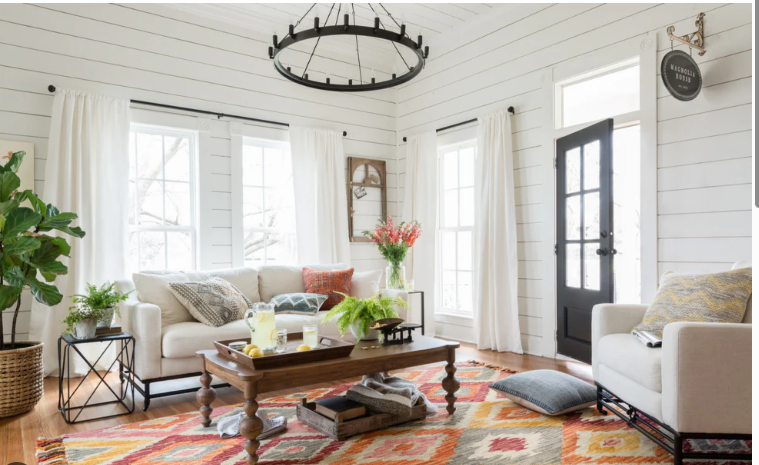
The comfort, durability, and maintenance of minimal rugs depend almost entirely on the materials used. Natural fibers like wool, cotton, and jute offer long-term performance, while quality synthetics provide practical alternatives. Handmade rugs in India—particularly from regions like Bhadohi—often outperform machine-made options in both longevity and craftsmanship.
Minimal rugs have earned their place in modern homes for good reason. Clean lines, neutral tones, and understated patterns suit almost any interior—but looks alone won’t justify the investment. The material beneath your feet determines whether a rug stays comfortable for years or falls apart within months.
Choosing the right rug material is not complicated. Once you understand the basics, the decision becomes straightforward. This post breaks down what each material offers, how handmade and machine-made rugs compare, and what to look for when you buy rugs for your home.
Natural Fibers: The Best Materials for Minimal Rugs
Why Wool Is the Top Choice for Comfort and Longevity
Wool stands out as one of the most practical materials for minimal rugs. It’s naturally resilient—wool fibers spring back after compression, which means heavy furniture leaves fewer permanent marks. Wool also resists stains naturally, because each fiber has a protective outer layer that repels liquid before it soaks in.
From a comfort standpoint, wool regulates temperature well. It feels warm underfoot in winter and doesn’t trap heat in summer. For a minimal rug meant to anchor a living space, wool offers the right balance of softness and structure.
Wool rugs do cost more upfront, but they last significantly longer than most alternatives. A well-maintained wool rug can hold its shape and color for 20 to 30 years.
Cotton: Lightweight and Low-Maintenance
Cotton works well in high-traffic areas like hallways, kitchens, or children’s rooms. It’s softer than jute, easy to clean, and—in many cases—machine washable, which makes it one of the most convenient options available.
Minimal rugs made from cotton tend to lie flat without much effort, which makes them safer underfoot. They also take dye well, producing crisp patterns and clean tones that suit minimal aesthetics.
The tradeoff is durability. Cotton wears faster than wool under consistent foot traffic. For moderate-use spaces, though, it performs reliably and is easy to replace when needed.
Jute: Texture, Sustainability, and Strength
Jute brings natural texture to a room without overpowering a minimal design scheme. It’s one of the most sustainable rug materials available—fast-growing and biodegradable—and it holds up well in dry, low-humidity environments.
The main limitation with jute is moisture sensitivity. It can mold or weaken if exposed to water regularly, so it works best in living rooms or bedrooms rather than bathrooms or covered outdoor spaces. Used in the right setting, a jute minimal rug adds warmth and character that few other materials can replicate.
Synthetic Materials: A Practical Option for Busy Homes
Synthetic rugs—made from materials like polypropylene, nylon, or polyester—often get dismissed as inferior alternatives. That reputation is not entirely fair. High-quality synthetics perform well in homes with pets, children, or heavy daily use.
Here’s what makes synthetics worth considering:
-
Stain resistance: Most synthetic fibers repel liquids more aggressively than natural ones, making spills easier to clean up quickly.
-
Durability: Good synthetic rugs handle foot traffic without showing wear as quickly as lower-grade natural fibers.
-
Price point: Synthetics typically cost less, making them a sensible choice if you need coverage across multiple rooms.
The gap in quality between natural and synthetic rugs is narrowing. Some synthetic minimal rugs now closely mimic the texture and visual weight of wool or cotton—without the higher price tag.
Handmade vs. Machine-Made Rugs: What’s the Real Difference?
Why Handmade Rugs in India Outperform Mass-Produced Options
The gap between handmade and machine-made rugs becomes clear over time. Machine-made rugs are consistent and affordable, but they rarely match the structural integrity of a handwoven piece.
Handmade rugs in India—especially those crafted in Bhadohi, one of the world’s largest hand-knotted carpet weaving hubs—are built to a different standard. Skilled artisans create denser weaves, tighter knots, and thicker pile layers that hold up under years of use. The craftsmanship takes time, but that time translates directly into longevity.
Brands like The Ambiente, based in Bhadohi and founded by Avani Khandelwal, work directly with over 4,000 weavers—the majority of whom are women—to produce rugs that combine traditional technique with contemporary design. With 30+ years of manufacturing expertise through its parent company, Bhadohi Carpets, The Ambiente brings a level of material knowledge that goes well beyond aesthetics.
Each handmade rug also carries subtle variations in texture and pattern—small marks of human skill that mass production cannot replicate. For anyone buying a minimal rug as a long-term investment, handmade is consistently the better choice.
How to Care for Your Minimal Rug
Good materials help a rug last. Consistent care keeps it looking good year after year. The routine is simple:
-
Vacuum regularly: Weekly vacuuming removes dust and debris before it works its way into the fibers. For wool or jute rugs, avoid the beater bar attachment—it can stress the fibers over time.
-
Rotate the rug every 6 to 12 months: This distributes foot traffic evenly and prevents one area from wearing down faster than the rest.
-
Spot-clean spills immediately: Blot—don’t rub—liquid spills with a clean cloth. Rubbing pushes the stain deeper into the pile.
-
Schedule professional cleaning: For natural fiber rugs, professional cleaning every 12 to 18 months extends the rug’s life and removes embedded grime that vacuuming misses.
High-quality rugs respond well to simple maintenance. The investment in care is small compared to the cost of replacing a rug prematurely.
Where to Buy Rugs: What to Look for in a Retailer
Not all rug retailers are equal. When you buy rugs—especially handmade ones—the source matters.
Look for retailers who are transparent about where their rugs are made, what materials they use, and how their artisans are compensated. Vague product descriptions and unusually low prices are often signs of poor quality or unethical sourcing.
The Ambiente, for example, offers bespoke and ready-to-ship collections directly from Bhadohi, with clear information about materials and production methods. Their rugs are available through their flagship store in Sultanpur, New Delhi, and online—making quality handmade rugs in India accessible to buyers across the country and beyond.
Supporting brands that work directly with artisan communities means your purchase contributes to sustainable livelihoods. That’s a meaningful consideration alongside price and design.
Make the Right Choice From the Start
Material selection shapes everything about a minimal rug—how it feels, how long it lasts, and how much effort it takes to maintain. Wool, cotton, and jute each offer genuine value for the right setting. Quality synthetics hold their own in high-use spaces. And handmade rugs in India, built by skilled artisans with decades of experience, consistently outperform machine-made alternatives over the long term.
When you’re ready to buy rugs, prioritize material quality and source transparency over a low price tag. A minimal rug made from quality materials will serve your home for years. A cheap alternative rarely does.
Frequently Asked Questions
What materials are best for minimal rugs in high-traffic areas?
Wool and high-quality synthetics perform best in high-traffic areas. Wool is naturally resilient and stain-resistant, while synthetics like polypropylene handle heavy use without showing wear quickly. Cotton is a good option for moderate traffic, especially in spaces where easy cleaning is a priority.
How long do handmade rugs in India last compared to machine-made rugs?
A well-maintained handmade rug from a reputable producer can last 20 to 30 years or more. Machine-made rugs typically have a shorter lifespan—often 5 to 10 years—because their construction is less dense and their materials are generally lower in quality.
Are minimal rugs a good choice for homes with pets or children?
Yes, with the right material. Synthetic rugs made from polypropylene or nylon resist stains and clean up easily, making them a practical choice for homes with pets or children. Wool also handles stains well due to its natural fiber structure. Avoid jute in these settings, as it’s harder to clean and sensitive to moisture.
What is the easiest way to maintain a minimal rug?
Regular vacuuming (weekly), immediate spot-cleaning of spills, and rotating the rug every 6 to 12 months cover most of your maintenance needs. For natural fiber rugs, professional cleaning once a year adds meaningful longevity.
Why should I buy rugs from artisan producers rather than mass-market retailers?
Artisan-produced rugs—particularly handmade rugs in India from established weaving regions like Bhadohi—offer denser construction, higher-quality materials, and longer lifespans. Buying from reputable artisan sources also supports sustainable employment for skilled weavers, many of whom are women from rural communities.
How do I know if a minimal rug is worth the price?
Check the material, construction method, and the retailer’s transparency about sourcing. A handmade wool rug from a trusted producer will cost more than a machine-made synthetic, but it will outlast it by years. Calculate cost-per-year of use rather than judging by the upfront price alone.


