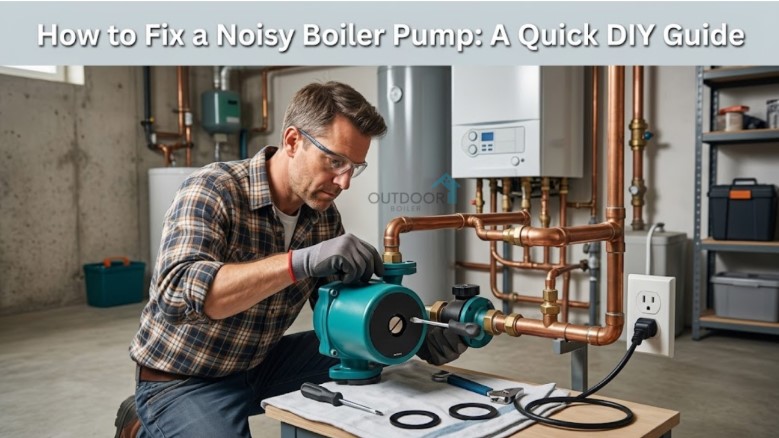
A noisy boiler pump is often caused by trapped air, loose components, worn bearings, or a buildup of debris. In many cases, you can reduce or eliminate the noise with a few simple checks before deciding whether professional repairs are needed.
Why Is My Boiler Pump Making Noise?
A boiler pump is responsible for circulating hot water throughout your heating system. When it begins making unusual sounds, it is usually a sign that something is preventing it from operating smoothly.
Different sounds can point to different issues. Understanding the type of noise you hear is the first step toward finding the right solution.
Some common boiler pump noises include:
- Humming
- Buzzing
- Grinding
- Rattling
- Whining
- Clicking
While some noises are harmless and easy to fix, others may indicate that the pump is nearing the end of its lifespan.
Common Causes of a Noisy Boiler Pump
Air Trapped Inside the Pump
Air pockets are one of the most common reasons a boiler pump becomes noisy. Trapped air can interrupt water circulation and create humming or gurgling sounds.
Many modern circulating pumps include a bleed screw that allows trapped air to escape safely.
Loose Pump Components
Over time, normal operation can loosen mounting screws or brackets. Even a slightly loose component can create vibrations that produce rattling or vibrating noises.
Checking visible fittings for looseness is often a quick and simple maintenance task.
Worn Bearings
Boiler pump bearings naturally wear with age. As they deteriorate, they may produce grinding or high-pitched whining sounds.
Unfortunately, worn bearings usually require replacement rather than adjustment.
Debris or Dirt Inside the Pump
Heating systems can accumulate sludge, rust particles, and mineral deposits over time. These contaminants can interfere with the pump’s impeller and create unusual operating sounds.
Regular heating system maintenance helps minimize debris buildup.
Pump Running at the Wrong Speed
Some circulating pumps have adjustable speed settings. If the pump operates faster than necessary, it may generate excessive vibration and unnecessary noise.
Consult your boiler or pump manual before adjusting any speed settings.
Quick DIY Steps to Fix a Noisy Boiler Pump
Before beginning any maintenance, switch off the boiler and isolate the electrical supply. Allow the system to cool completely.
1. Listen Carefully to the Noise
Try to identify where the sound is coming from.
Ask yourself:
- Is the sound constant or occasional?
- Does it happen only when the heating is running?
- Is the noise coming directly from the pump?
These observations can help narrow down the cause.
2. Bleed Trapped Air
If your pump includes a bleed screw:
- Place a towel underneath the pump.
- Slowly loosen the bleed screw.
- Allow trapped air to escape.
- Tighten the screw once water begins flowing steadily.
This simple step often resolves humming or gurgling noises.
3. Check for Loose Fasteners
Inspect the mounting bolts and visible connections.
If anything appears loose, gently tighten it using the appropriate tool. Avoid overtightening, which can damage components.
4. Inspect for Leaks
Look around the pump housing and pipe connections for signs of moisture.
Leaks can introduce air into the system and reduce pump efficiency.
5. Verify the Pump Speed
If your model allows speed adjustment, compare the current setting with the manufacturer’s recommendations.
Running the pump at the correct speed can reduce unnecessary noise while improving efficiency.
When Should You Call a Professional?
DIY maintenance is appropriate for minor issues, but some problems require professional diagnosis.
Contact a qualified heating engineer if:
- The grinding noise continues after bleeding the pump.
- The pump becomes excessively hot.
- Water is leaking from the pump body.
- The boiler repeatedly shuts down.
- You smell burning or notice electrical issues.
Ignoring these warning signs could lead to more expensive repairs.
Can You Prevent Boiler Pump Noise?
Routine maintenance is the best way to keep your boiler pump operating quietly.
Helpful preventative measures include:
- Schedule annual boiler servicing.
- Bleed radiators when needed.
- Keep the heating system clean.
- Check system pressure regularly.
- Address unusual sounds as soon as they appear.
Small maintenance tasks can often prevent larger mechanical problems.
Safety Tips Before Working on a Boiler Pump
Although basic inspections are relatively straightforward, safety should always come first.
Remember to:
- Turn off the electrical power.
- Allow hot water to cool before touching components.
- Never force stuck valves or fittings.
- Stop immediately if you are unsure about any procedure.
Working safely reduces the risk of injury and equipment damage.
Frequently Asked Questions
Is it normal for a boiler pump to make some noise?
Yes. A gentle humming sound is often normal during operation. Loud grinding, rattling, or whining noises usually indicate a problem that should be investigated.
Can trapped air damage a boiler pump?
If left unresolved, trapped air can reduce circulation, decrease efficiency, and place additional strain on the pump over time.
How long does a boiler pump typically last?
Most boiler circulating pumps last between 10 and 15 years, depending on maintenance, water quality, and operating conditions.
Can I fix a noisy boiler pump myself?
Simple issues such as bleeding, trapped air, or tightening loose fittings can often be handled by homeowners. Mechanical failures or electrical problems should be inspected by a qualified professional.
Does boiler pressure affect pump noise?
Yes. Incorrect system pressure can affect water circulation and contribute to unusual noises. Always follow the pressure recommendations provided by your boiler manufacturer.
Additional Resources
For more guidance on boiler safety and home heating systems, refer to these trusted resources:
- Energy Saving Trust: https://energysavingtrust.org.uk/
- Chartered Institute of Plumbing and Heating Engineering: https://www.ciphe.org.uk/
Conclusion
A noisy boiler pump does not always mean an expensive repair is around the corner. In many situations, simple maintenance such as bleeding trapped air, tightening loose fittings, or checking the pump settings can solve the problem quickly. Recognizing the type of noise and acting early can also help prevent more serious issues from developing.
We hope this guide has helped you understand what causes a noisy boiler pump and what you can safely check yourself. If you found this article useful, visit our website at outdoorboiler.com to explore our other home maintenance guides for more practical tips that can help you keep your heating system running safely and efficiently.