
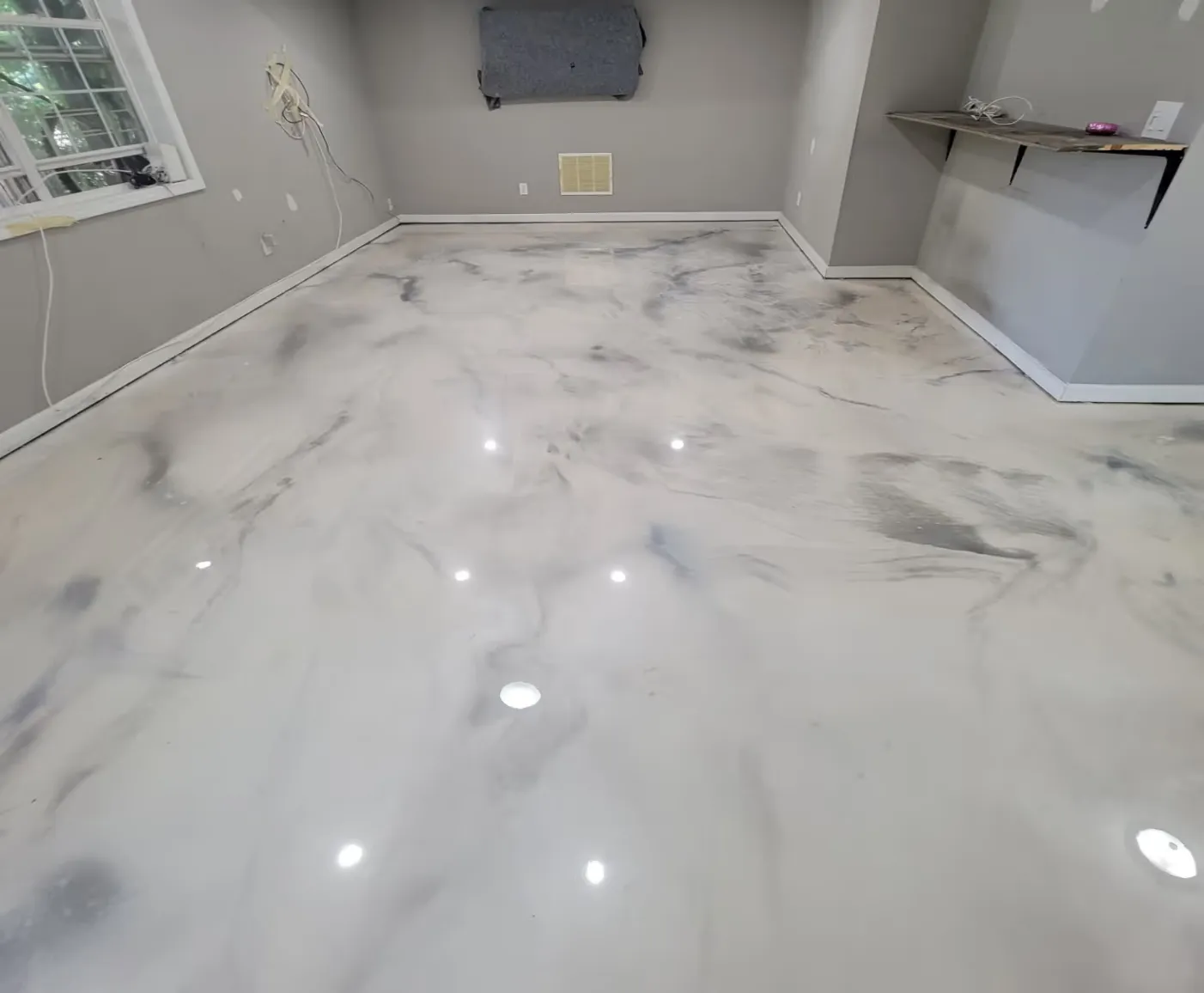
Many times, the first step of upgrading a dark, dirty workshop, garage, or warehouse space is to get the right type of heavy-duty, hard-wearing floor finish that will be able to withstand heavy truck traffic. Finally, when you choose an expensive epoxy floor coating, you’re guaranteed a seamless barrier that will stop automotive fluids and severe chemical drips from penetrating deep into your floor. The absolute worst thing you can do is rush the chemical application before testing your foundation slab for hidden moisture vapor emissions. If your underlying masonry base keeps sweating out excess humidity, that trapped water pressure will bubble up and crack your expensive resin layers.
Testing Basic Slab Density
You can easily ruin a brand-new surface project if your underlying masonry foundation is too soft or crumbling apart from age. Achieving a successful polished concrete finish requires your base material to be completely solid before you rent heavy planetary grinding gear. You have to patch deep structural cracks with dense hydraulic cement and scrape away old mastic glues with specialized diamond tooling. If your floor base is low-quality or chalky, the heavy grinding blocks will simply rip out chunks of aggregate, leaving an uneven mess.
Prepping Your Slick Foundation
Getting your smooth substrate ready for a thick liquid epoxy floor coating application requires you to manually open up the tightly closed surface pores. Most amateur home renovators think a quick spray with a garden hose or a simple wipe with a damp mop is enough prep work. True industrial prep demands that you either run an aggressive shot-blasting machine or use a strong muriatic acid wash to etch the stone. Creating a rough, sandpaper-like profile on your floor allows the sticky liquid resin primer to lock down onto the base securely.
Grinding with Metal Diamonds
Many property managers assume that a shiny floor finish is achieved just by spreading a clear liquid sealer across an old room. The physical mechanical process of creating polished concrete actually requires driving heavy rotary machinery across the room using progressively higher grit counts. You always start out with coarse metal-bond diamond discs to level down high spots and clean out ugly expansion joints. Transitioning slowly into fine resin-bond polishing pads allows you to tighten up the open masonry grain until it reflects overhead warehouse lights naturally.
Pouring Mixed Resin Batches
The biggest blunder you can easily make during a custom liquid resin installation is leaving your mixed chemical components sitting inside the bucket. If you want your epoxy floor coating project to look perfect, you have to spread the liquid across your floor space immediately after mixing. You must combine the liquid base with the reactive hardener using an uneven, slow manual speed to keep air out of the bucket. Introducing too many tiny air bubbles into your liquid mix results in thousands of tiny pinhole craters forming across the floor.
Applying Chemical Liquid Densifiers
Raw masonry work is naturally porous, which means it constantly absorbs dirt particles and sheds fine grey alkaline dust across your workspace tools. Injecting a liquid silicate hardener during a polished concrete project changes the internal chemistry of your floor to block these small open voids. This smart chemical densifier works by reacting with the free lime compounds already resting inside your stone matrix to build hard crystalline structures. The resulting floor becomes incredibly dense, completely eliminating the annoying chalky dust that messes up clean automotive assembly shops.
Scrubbing the Cured Space
Once your fresh industrial topcoats dry completely, keeping that high-gloss look clean requires you to alter your everyday janitorial mop choices. Regular tap water mixed with a neutral-pH floor soap works much more safely than using harsh acidic cleaners on customized epoxy floor coating areas. Coarse-bristle scrubbers will slowly micro-scratch your clean, protective glossy layers, turning the whole room cloudy-looking and old within a year. Using soft microfiber dust mops removes the sharp tracking sand grains that can score your clean floor under heavy foot traffic.
Conclusion
Transforming your old commercial warehouse area or industrial workspace garage with a tough surface treatment keeps your entire property looking professional for years. Selecting a thick protective epoxy floor coating or investing in a mechanically ground layout gives you a highly durable baseline that handles intense vehicle tracking daily. By contacting the local floor installation specialists over at atlantaflooring.io right now, you can book a comprehensive physical site evaluation for your next building renovation. We strongly suggest scheduling an initial consultation with our technical staff today to measure your slab thickness and review your custom design choices.

